


If you’re moving on from a disposable “fume” style device, four categories can replace it: high-capacity disposable vapes for grab-and-go simplicity, prefilled rechargeable pods that mimic the disposable feel without the waste, refillable pod systems for the best long-term value, and box mods for people who want real control over power and flavor. Most people switching should start with a refillable pod system paired with nicotine salt e-liquid. It matches the smooth throat hit of a disposable while cutting your cost per milliliter dramatically over time.
Nicotine matching matters more than the device itself. Pods and disposables run on nic salts, which are commonly used at concentrations that provide a smooth hit even at higher levels. Box mods and sub-ohm tanks use freebase nicotine, typically 0mg to 6mg, since higher-power devices produce more vapor per puff and would deliver too much nicotine at salt-level strengths.
Before you buy anything, run through this:
- Check the nicotine strength and type your current device uses so you don’t over or under-shoot when you switch.
- Pick a category based on how often you vape, not just what looks convenient in the store.
- Buy a starter kit or a single refillable pod first. Don’t stock up until you know it works for you.
Key Takeaways
Refillable pod systems paired with nicotine salt e-liquid give most switchers the closest match to a disposable’s feel at a fraction of the long-term cost.
| Point | Details |
|---|---|
| Start with a pod system | Refillable pods paired with nic salts balance simplicity, cost, and satisfaction for daily users. |
| Match nicotine type to device | Use nic salts (20 to 50mg) for pods and disposables, freebase (0 to 6mg) for sub-ohm mods. |
| Prime before you vape | Let a new coil or pod saturate for five to ten minutes before the first draw to avoid burnt hits. |
| Check vendor transparency | Buy only from sellers listing nicotine strength, PG/VG ratio, and battery specs, with age verification at checkout. |
| Vapeciga maps devices to buyer needs | VapeCiga’s catalog covers grab-and-go, refillable, and power-user categories, including the Packspod 5000 and Vaporesso GTX One. |
Table of Contents
- What Are the Best Fume Alternatives by Category?
- How Do You Choose the Right Vape Device?
- How Do You Switch Formats Without Losing Satisfaction?
- What Happens to Vape Devices After Disposal?
- What Regulations Affect Vape Product Availability?
- Why Vapeciga Recommends These Alternatives
- Which Vapeciga Products Fit Your Switch?
- Sources
- FAQ
What Are the Best Fume Alternatives by Category?
Every nicotine vaping format trades convenience for cost savings somewhere along the line. Knowing where that trade happens is the whole game.
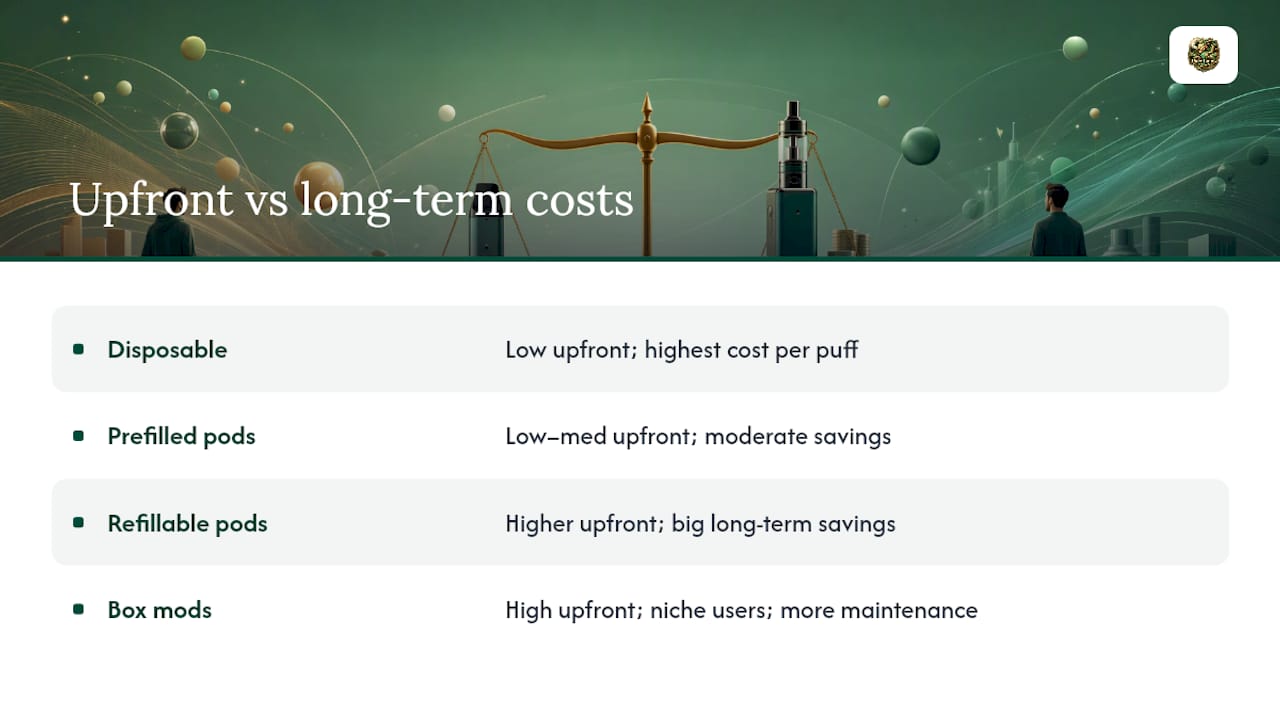
Disposable vapes are the closest thing to a plug-and-play replacement. No charging, no filling, no coils to swap. You vape it until it’s dead, then toss it. They’re best for occasional users, travelers, or anyone who wants zero learning curve. The catch: cost per puff is the highest of any format, and battery life caps out regardless of how much e-liquid is left in the tank.
Prefilled rechargeable pods solve half that problem. You still buy prefilled pods instead of bottles of e-liquid, but a USB-C rechargeable battery means you’re not throwing away a working battery every time the juice runs out. This format has closed a lot of the convenience gap that used to separate disposables from everything else, thanks to mesh coils and leak-resistant pod designs that lower the maintenance barrier for new users, according to industry comparisons of disposable and reusable vapes.
Refillable pod systems are where the real savings kick in. You buy a device once, then refill it with bottled nic salt e-liquid instead of buying prefilled cartridges or disposables. Ongoing cost drops sharply because you’re paying for e-liquid by the bottle instead of paying for packaging and hardware every time you need more nicotine. The tradeoff is a small maintenance routine: filling pods, replacing coils every one to three weeks, and keeping spare pods on hand.
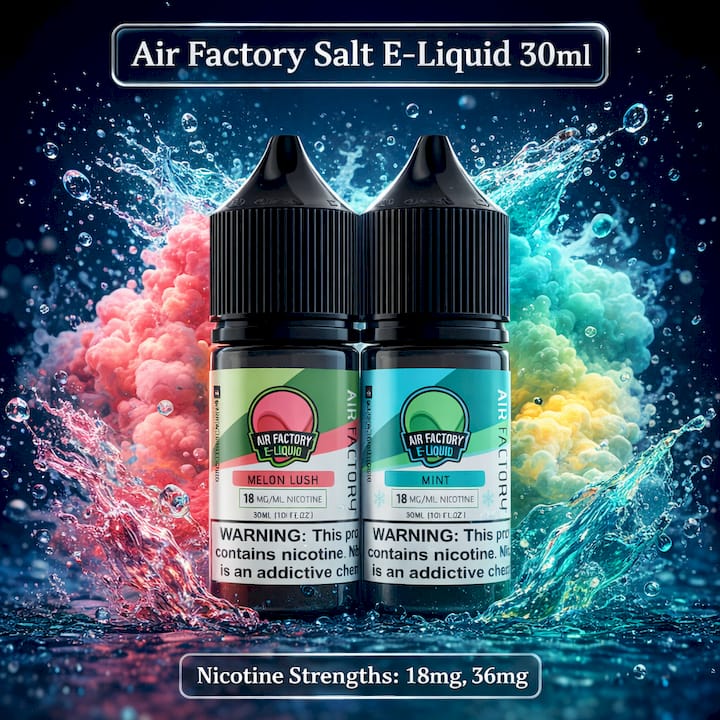
Box mods and sub-ohm tanks serve a smaller, more dedicated crowd. These let you dial in wattage, airflow, and coil resistance, which means bigger clouds and more nuanced flavor, but also a real learning curve and freebase e-liquid instead of nic salts.
A quick numbers check: refillable systems often pay back their higher upfront hardware cost within weeks to a few months for anyone vaping daily, simply because bottled e-liquid costs a fraction of what prefilled pods or disposables charge per milliliter.
On the CDC’s e-cigarette classification breakdown, pod-style devices are noted as commonly using nicotine salts, while tank and mod systems typically run freebase nicotine. That distinction alone should guide most of your buying decisions.
How Do You Choose the Right Vape Device?
Picking a device isn’t complicated once you break it into steps. Here’s the order that actually matters:
- Match your nicotine strength and type first. If you’re coming from a disposable, you were almost certainly vaping nic salts at 20mg to 50mg. Stick with nic salts if you’re moving to a pod system; only switch to freebase if you’re moving to a sub-ohm mod.
- Decide on inhale style and power level. Mouth-to-lung (a tighter draw, closer to smoking) fits pods and lower-wattage devices. Direct-to-lung (a looser, airier draw) fits mods and sub-ohm tanks.
- Confirm pod or coil compatibility and battery specs. Not every pod fits every device, and not every coil fits every pod. Check the milliampere-hour rating too. Anything under 1000mAh will need daily charging for a moderate user.
- Estimate your ongoing cost per month. A 30ml or 60ml bottle of nic salt e-liquid, at typical pod usage, tends to outlast several disposables while costing less overall.
- Check that the seller lists clear specs and requires age verification. A vendor who hides nicotine concentration or skips ID checks at checkout is not one you want handling a nicotine product.
Watch for these red flags before you check out: no listed nicotine concentration, no mention of PG/VG ratio or coil resistance, missing battery capacity, or a product page with zero safety information. If a listing can’t answer basic questions about what’s inside the device, skip it.
Pro Tip: Before you commit to a full bottle of e-liquid or a multi-pack of pods, buy a single pod or a smaller sampler bottle first. Flavor and throat hit vary more between brands than most new switchers expect, and a $6 sampler beats a $30 mistake.
How Do You Switch Formats Without Losing Satisfaction?
The biggest reason people bounce back to disposables after trying a refillable system isn’t the device. It’s a handful of avoidable mistakes in the first week.
Nicotine matching is step one. If your fume disposable ran at 50mg nic salt, don’t drop straight to a 3mg freebase pod and expect the same hit. Nic salts feel smoother at higher concentrations because of their chemical structure, which is part of why the CDC notes their prevalence in pod-style devices. Freebase nicotine at the same strength would feel harsher, which is why mod users typically run much lower concentrations.
Device care makes or breaks the transition:
- Prime a new coil or pod before vaping it. Add a few drops of e-liquid directly onto the coil and let it sit for five to ten minutes so the wicking material fully saturates.
- Avoid chain vaping a fresh coil. Burning it dry before it’s saturated causes a harsh, burnt hit that new switchers often blame on the device instead of their own timing.
- Know whether your pod is top-fill or side-fill before you buy replacement e-liquid. Top-fill pods are generally easier for beginners to refill without spills.
On the maintenance side, charge your battery before it hits zero rather than running it flat every time, carry a spare pod or coil if you vape daily, and replace coils every one to three weeks depending on how heavily you use the device. Letting a coil run past its life is the single most common reason for a sudden drop in flavor.
Pro Tip: Keep a spare charged pod in your bag if you’re relying on a pod system daily. It’s the same “always have a backup” logic that made disposables convenient in the first place, minus the waste.
What Happens to Vape Devices After Disposal?
Disposable vapes create more waste per use than any other format, and it’s a real consideration if you’re weighing formats. Each unit contains a lithium battery, a plastic or aluminum shell, and residual e-liquid, all of which need proper handling rather than a trash can toss. Most municipal recycling programs don’t accept vape batteries curbside because of fire risk from damaged lithium cells, so they typically require drop-off at a battery or electronics recycling center.
Rechargeable pod systems and box mods generate less waste over time simply because the hardware lasts months or years instead of days. You’re replacing small components (coils, pods, or empty e-liquid bottles) rather than an entire battery-and-shell unit every time you run out of nicotine. A single mod battery might outlast dozens of disposables across its lifespan.
That said, no format is waste-free. Empty e-liquid bottles, used coils, and worn-out pods still need disposal. A few practical habits help: never puncture a vape battery or toss one in household trash, check whether your city or a local retailer offers battery take-back programs, and consider a refillable system if reducing your device turnover matters to you. It’s not a perfect solution, but the waste math clearly favors formats that reuse a battery over formats that discard one with every purchase.
What Regulations Affect Vape Product Availability?
Nicotine vaping products in the United States fall under FDA oversight, which means legal sale is restricted to adults 21 and older nationwide, and every product on the market is technically subject to premarket authorization requirements. This affects what you’ll find in stock: retailers carrying FDA-authorized or compliant products tend to have more consistent availability than sellers dealing in unregulated imports.
State and local rules add another layer. Flavor restrictions, online shipping limits, and local sales taxes on vapor products vary by state, so what’s available to ship to your address can differ from what’s sold in a shop two states over. Always check that a retailer verifies your age at checkout and complies with your state’s shipping rules before you order.
Regulation is also why buying from a transparent seller matters more than it might seem. A retailer that lists nicotine concentration, PG/VG ratio, and batch or compliance information on its product pages is signaling it takes these rules seriously. One that doesn’t is a bigger gamble than the price tag suggests, especially with a product you’re putting into your body daily.
Why Vapeciga Recommends These Alternatives
I’ve spent enough time covering device categories and reader questions on the VapeCiga blog to notice a pattern: most switching regret comes from mismatched expectations, not bad devices. Someone grabs a sub-ohm mod because it looks impressive, then gets hit with harsh freebase nicotine because nobody told them nic salts belong in low-power pods.
That’s why refillable pod systems are the default recommendation here for anyone vaping regularly. The cost curve rewards you fast, and the nicotine strength range covers nearly every former disposable user. High-capacity rechargeable disposables still make sense for occasional vapers or anyone traveling light. There’s no shame in convenience when convenience is genuinely what you need.
One thing I’d push every reader on: buy from a seller that publishes real specs. Nicotine concentration, coil resistance, battery capacity. If a product page can’t tell you what’s inside, that’s not a detail to overlook.
Which Vapeciga Products Fit Your Switch?
Once you know your category, matching it to an actual product is the easy part. VapeCiga’s catalog covers each buyer profile the switch from a fume-style disposable typically calls for.
If you want the grab-and-go simplicity of a disposable but with serious runtime, the Packspod 5000 delivers high puff capacity in a familiar disposable form factor, no learning curve required. For readers ready to move into refillable territory, the Vaporesso GTX One Vape Mod 2000mAh 40W is compact, refillable, and built for exactly the kind of daily nic salt vaping that saves money over months of use.
Power users who want to dial in wattage and airflow have two solid paths: the Vaporesso Swag Ⅱ VW Box Mod 80W for adjustable output with straightforward controls, or the GeekVape T200 (Aegis Touch) Mod if you want a touchscreen interface and rugged, drop-resistant build.
Flavor explorers refilling a pod system regularly should look at Vapetasia E-Liquid 100ml, a large-format bottle that keeps your per-milliliter cost low while giving you enough volume to experiment across flavor profiles without rebuying every week. And if your current pod or pen is losing flavor, a pack of Smok Vape Pen V2 Coils 5pk keeps a compatible device running fresh instead of forcing a full replacement.
Whichever category fits your routine, browse the full pod and mod selection to compare specs side by side before you check out.
Sources
- E‑cigarette, or vaping, products visual dictionary (CDC)
- Disposable or reusable vapes: How to pick the right one? (Kures blog)
FAQ
What are the best fume alternatives for regular vapers?
Refillable pod systems using nicotine salt e-liquid offer the best long-term value and closest match to a disposable’s smooth hit for anyone vaping daily.
Do I need nic salts or freebase nicotine?
Nic salts (typically 20 to 50mg) suit pods and disposables run at lower power, while freebase nicotine (usually 0 to 6mg) suits higher-power sub-ohm mods, since pod devices commonly use nicotine salts.
Are refillable pod systems cheaper than disposables long-term?
Yes. Refillable systems generally lower your cost per milliliter since you’re buying bottled e-liquid instead of paying for new hardware and packaging every time.
How do I avoid a harsh hit when I switch devices?
Prime any new coil or pod for five to ten minutes before your first draw, and avoid chain vaping until the wicking material is fully saturated.
What should I check before buying a vape device online?
Confirm listed nicotine concentration, battery capacity, coil or pod compatibility, and whether the seller verifies age at checkout before you buy.