


Steeping e-liquid almost always improves complex flavors, and the simplest method costs nothing: store your bottles in a cool, dark drawer, shake them firmly once a day, and give them 1–2 weeks before you judge. That’s the short answer. For tobacco blends, custards, and layered dessert profiles, the sweet spot often falls between 2 and 8 weeks. Single-fruit and menthol juices can taste better fresh, so steeping isn’t a universal rule.
- What it is: controlled aging that lets PG, VG, nicotine, and flavor concentrates homogenize and mellow
- Fastest reliable method: cool, dark storage plus a daily shake for 1–2 weeks
- Tobacco and dessert profiles: 2–8+ weeks for full development
- Speed options: warm water bath (86°F–122°F), breathing/degassing, or ultrasonic cleaning
- Safety first: always keep nicotine-containing bottles capped, labeled, and away from children and pets
Key Takeaways
Steeping consistently improves complex e-liquid profiles, but the method, timing, and flavor category all determine whether the result is better or just older.
| Point | Details |
|---|---|
| Steep complex profiles | Tobaccos, custards, and multi-note blends benefit most; single-fruit and menthol often peak fresh. |
| Universal method | Cool, dark storage plus a daily firm shake for 1–2 weeks works for most juices without any equipment. |
| Speed-steep safely | Warm water baths at 86°F–122°F cut time to hours; keep caps on and stay below 122°F to protect nicotine. |
| Test on a schedule | Use a fresh coil, note inhale and exhale separately, and compare each sample to the previous one. |
| VapeCiga selection | Vapetasia, Beard Vape Co., and Big Bottle Co. e-liquids are available at VapeCiga for adults 21+ in the USA. |
Table of Contents
- What does steeping e-liquid actually do to flavor?
- The universal 4-step steeping method
- How do common steeping methods compare?
- Which flavor categories actually need steeping?
- How long should you steep, and how do you know it’s ready?
- Storage best practices and safety
- What does the science actually say about steeping?
- Troubleshooting common steeping problems
- An experienced vaper’s take on steeping
- Ready to steep? VapeCiga has the e-liquids worth the wait
- Sources
What does steeping e-liquid actually do to flavor?
Steeping is controlled aging, not infusion. You’re not adding anything to the liquid; you’re giving the existing ingredients time to settle into each other. Fresh e-liquid often smells sharper than it tastes because the flavor concentrates haven’t fully blended with the PG/VG base. A few days of rest changes that.
The practical effects you’ll notice:
- Harshness softens. Alcohol-based flavor carriers and residual solvents mellow out.
- Notes blend. A three-layer dessert profile that tastes disjointed on day one often reads as a single cohesive flavor by week two.
- Brightness can shift. Citrus and fruit notes may lose a little sharpness; tobaccos and creams gain depth.
- Color darkens. Oxidation turns clear or pale liquids amber or brown. That’s normal, not a sign of spoilage.
Laboratory analyses confirm that e-liquid components undergo oxidation and volatile loss over time, which provides a real chemical basis for the flavor changes vapers have reported for years. The effect isn’t placebo.
One thing worth knowing: many manufacturers pre-steep their products during production. Some commercial e-liquids arrive already aged enough that extra steeping adds little. If a juice tastes great out of the bottle, trust your palate and vape it.
Quick comparison: Fresh juice tends to taste brighter and sometimes harsher. Steeped juice tends to taste smoother, rounder, and more complex. Neither is objectively better — it depends entirely on the flavor profile.
The universal 4-step steeping method
This process works for most e-liquids and requires no special equipment. Follow it before trying any speed-steep shortcuts.
-
Prepare your bottles. Transfer the liquid to a glass bottle with a tight cap if it came in thin plastic. Glass bottles with tight-fitting caps reduce the risk of flavor degradation and prevent unwanted evaporation. Label each bottle with the flavor name and the date you started steeping.
-
Store in a cool, dark place. A drawer, cabinet, or box away from windows and heat sources works perfectly. Consistent room temperature (65°F–72°F) is the target. Avoid windowsills, car gloveboxes, and anywhere near a stove.
-
Shake daily. Cap the bottle tightly, then shake it firmly for 30–60 seconds. This accelerates homogenization by physically mixing the PG, VG, nicotine, and flavor molecules. Don’t be gentle — a vigorous shake matters more than a long one.
-
Test and wait. After 5–7 days, drip a few drops onto a clean coil or a fresh pod and vape a small amount. Note what you taste. If the flavor still feels sharp or disjointed, recap and continue. Test again every 3–4 days until the profile settles.
Pro Tip: Mark the bottle with a strip of masking tape and write the date plus a one-word flavor note (e.g., “sharp,” “almost,” “ready”). This takes five seconds and saves you from losing track of where a batch stands when you’re steeping three or four bottles at once.
Nicotine safety applies throughout this process. Liquid nicotine absorbs through skin. Wear nitrile gloves when handling high-strength bottles, wipe any spills immediately, and store everything out of reach of children and pets. Never leave bottles uncapped on a counter.
How do common steeping methods compare?
Practical guides and community tests have settled on a handful of methods, each with a different time-versus-risk tradeoff. Here’s how they stack up.
| Method | Typical Time | Best For | Main Risk |
|---|---|---|---|
| Room-temp rest | 1–8 weeks | All profiles; safest for nicotine | Slowest option |
| Warm water bath | 30 min–2 hours | Speed-steeping any profile | Heat may slightly degrade nicotine |
| Breathing/degassing | 30 min–2 hours open | Alcohol-heavy concentrates | Volatile loss if left open too long |
| Ultrasonic cleaner | 30–60 min | Speed-steeping; DIY mixers | Equipment cost; heat buildup in long cycles |
| Magnetic stirrer | 1–4 hours | DIY mixing; large batches | Equipment cost; no heat control built in |
| Temperature cabinet | 1–4 weeks | Consistent long-term aging | Setup cost; overkill for most users |
Room-temperature rest is the default and the safest. Cap the bottle, shake daily, store in the dark. No equipment, no risk.
Warm water bath is the most popular speed-steep. Fill a bowl with warm (not boiling) water at roughly 86°F–122°F (30–50°C), place your capped bottles in it, and let them sit for 30 minutes to 2 hours. The warmth thins the VG base and speeds molecular mixing. Keep the caps on. Never use a microwave or boiling water — temperatures above 140°F risk nicotine breakdown and can warp plastic bottles.
Breathing means removing the cap for a controlled window, usually 30 minutes to 2 hours, to let alcohol-like volatiles escape. Community experiments disagree on how often to breathe a juice; most experienced mixers recommend one short session rather than repeated uncapping, which introduces excess oxygen and risks contamination.
Ultrasonic cleaners use cavitation (rapid pressure waves in liquid) to agitate the e-liquid at a molecular level. Place your capped bottle in the water-filled cleaner and run 30–60 minute cycles. It’s faster than a warm bath and adds no direct heat to the liquid itself, though the water can warm up over long sessions.
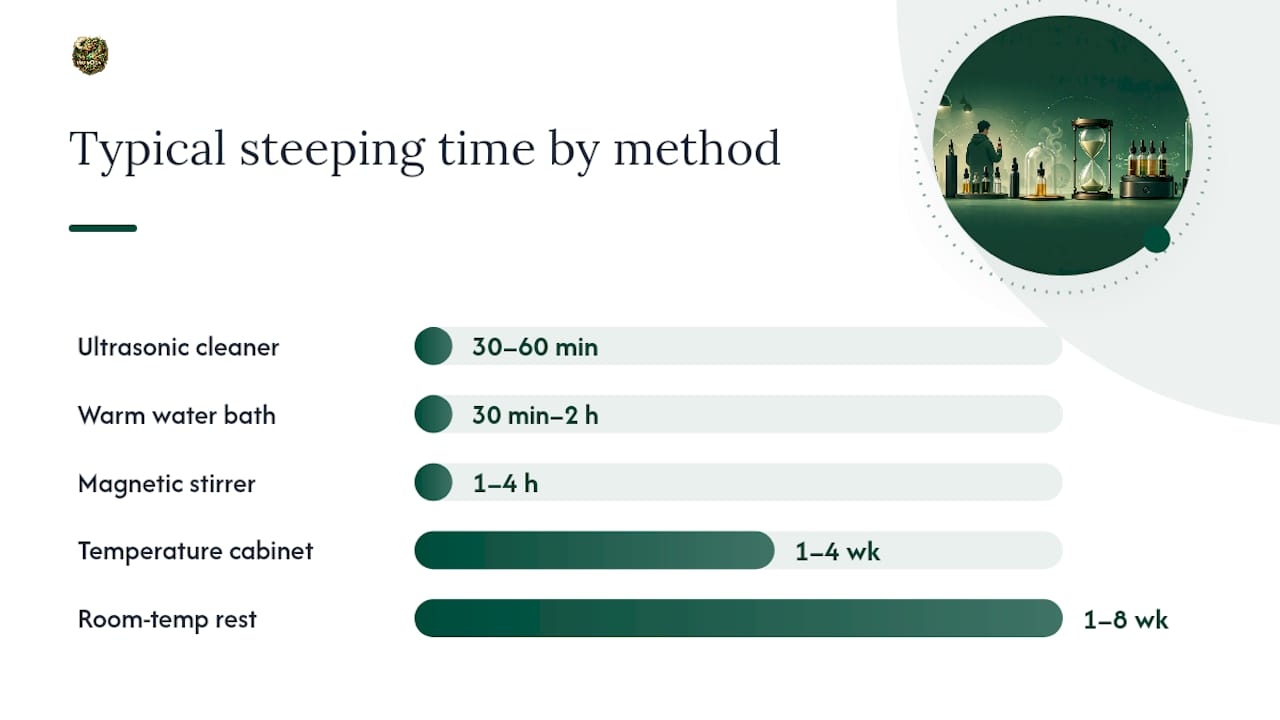
Magnetic stirrers accelerate homogenization through mechanical agitation without heat, making them a clean option for DIY mixers working with large batches. They won’t replace a full steep, but they cut the time needed for the initial blending phase.
A few safety points for heat-based methods:
- Never exceed 122°F for nicotine-containing liquids
- Always keep caps on during warm baths to prevent evaporation
- Let bottles cool to room temperature before vaping or storing
Which flavor categories actually need steeping?
Not every juice rewards patience. Knowing which profiles to steep and which to vape fresh saves both time and flavor.
Steep these:
- Tobaccos. These need the most time, often 4–8 weeks, for the earthy, woody, and nutty notes to integrate. Fresh tobacco juice frequently tastes thin and slightly chemical.
- Custards and creams. The dairy-like richness in custard profiles comes from complex flavor molecules that need 2–4 weeks to fully develop. Vaping a fresh custard is like eating unbaked cookie dough — the potential is there, but it’s not ready.
- Complex multi-note blends. Any juice with four or more distinct flavor layers benefits from steeping. The notes compete when fresh and harmonize after aging.
- High-nicotine mixes. Higher nicotine concentrations can add a peppery edge that softens noticeably after 1–2 weeks of rest.
Skip or minimize steeping for these:
- Single-fruit profiles. A straightforward strawberry or watermelon juice often peaks fresh. Steeping can dull the brightness that makes these profiles enjoyable.
- Menthol and icy blends. The cooling compounds in menthol and koolada-based juices are volatile. Extended steeping can mute the effect significantly.
- Some citrus blends. Lemon, lime, and grapefruit notes fade faster than they develop. A week is usually the ceiling.
For flavor inspiration across profiles, the best Airis flavors guide covers a range of profiles worth exploring.
Signs you’ve steeped too long:
- Flavor becomes muted or flat rather than complex
- Sweetness disappears without being replaced by depth
- The liquid smells faintly rancid or chemical
- Color has darkened to near-black (for clear-base juices)
Community guides consistently warn that over-steeping is a real risk, especially for lighter profiles. Set a calendar reminder and taste on schedule rather than letting bottles sit indefinitely.
How long should you steep, and how do you know it’s ready?
Timelines vary by flavor category. These ranges reflect community consensus and practical testing:
| Flavor Category | Minimum | Optimal Range | Maximum Before Risk |
|---|---|---|---|
| Single fruit | 1–2 weeks | Fresh to 1 week | 2 weeks |
| Menthol / icy | 1–2 weeks | Fresh to 5 days | 1 week |
| Citrus blends | 3–5 days | 1 week | 2 weeks |
| Multi-note fruit | 1 week | 1–2 weeks | 3 weeks |
| Dessert / bakery | 1 week | 2–4 weeks | 6 weeks |
| Custard / cream | 2 weeks | 3–5 weeks | 8 weeks |
| Tobacco | 2 weeks | 4–8 weeks | 8 weeks |
Tasting checklist: how to know when a juice is ready
- Set up cleanly. Use a fresh coil or a clean pod. Residual flavor from a previous juice will skew your read.
- Vape three short puffs. Let your palate reset between each one with a sip of water.
- Note the inhale. Is it smooth or does it catch in the throat?
- Note the exhale. Can you identify the individual flavor notes, or do they blend into one cohesive profile?
- Check the finish. Does the flavor linger pleasantly, or does it cut off abruptly?
- Compare to your last test. If the profile has changed since your previous sample, it’s still developing. If it tastes the same as three days ago, it’s likely at its peak.
To avoid flavor fatigue when sampling multiple bottles in one session, limit yourself to three or four juices per sitting and always rinse with water between each. Tasting more than that in one go makes everything taste the same.
Storage best practices and safety
How you store a steeping bottle matters as much as how long you steep it. Poor storage can undo weeks of patient aging.
Do:
- Store in amber glass bottles when possible; they block UV light that accelerates oxidation
- Keep bottles in a cool, dark location at a consistent temperature
- Label every bottle with the flavor name, nicotine strength, and steep start date
- Check vape juice shelf life guidance for opened-bottle longevity before starting a long steep
Don’t:
- Store near heat sources, windows, or in direct sunlight
- Leave caps off for more than the intended breathing window
- Use thin, clear plastic bottles for long steeps; PET plastic can leach into the liquid over time
- Store in a refrigerator unless the manufacturer specifically recommends it (cold thickens VG and can cause separation)
Nicotine handling:
Liquid nicotine is absorbed through skin and mucous membranes. Even a small spill from a high-strength bottle can cause nausea, dizziness, or worse. Always wear nitrile gloves when transferring or handling concentrated nicotine liquids, wipe spills immediately with a damp cloth, and store all nicotine-containing products in a locked cabinet away from children and pets.
Visual cues of oxidation or spoilage: normal steeping darkens liquid from clear to amber or light brown. Spoilage looks different — a near-black color in a juice that started pale, a cloudy or separated appearance that doesn’t resolve after shaking, or an off smell (rancid, chemical, or fermented) all suggest the liquid has degraded beyond use.
Shelf life for properly stored, unopened e-liquid typically runs 1–2 years from the manufacture date. Once opened and actively steeped, plan to use the juice within 6 months for best flavor.
What does the science actually say about steeping?
The chemistry behind steeping involves four overlapping processes, and it’s worth being clear about what research has measured versus what vapers have reported.
Homogenization is the most straightforward: PG, VG, nicotine, and flavor concentrates are miscible but don’t always blend uniformly right after mixing. Shaking and time distribute molecules more evenly.
Oxidation is where the flavor change gets interesting. Laboratory analyses confirm measurable chemical changes in e-liquid components over time, including oxidation of flavor compounds and volatile loss. This provides a plausible mechanism for the smoothing effect vapers describe, though direct sensory studies comparing steeped and unsteeped juice in controlled conditions remain limited.
Volatile evaporation explains why breathing works for some profiles. Alcohol-based flavor carriers and other low-boiling-point compounds escape when a bottle is briefly uncapped, which can reduce the sharp, chemical edge in freshly mixed juice.
Maillard-type reactions are sometimes cited in community discussions as a reason custard and tobacco profiles develop complexity over time. These are the same browning reactions that create flavor in cooked food. Whether they occur meaningfully at room temperature in e-liquid is plausible but not yet directly demonstrated in published research.
The honest summary: the chemical basis for steeping is real and measurable. The specific flavor outcomes depend on the profile, the base ratio, the nicotine concentration, and the storage conditions. Community experience is the primary guide here, not clinical trials.
Three common science questions:
- Does steeping degrade nicotine? Slow room-temperature steeping has minimal effect. Heat-based methods at high temperatures carry a small risk of nicotine breakdown, which is why brand guidance recommends slow steeping for nicotine-containing liquids.
- Are flavor molecules stable over weeks? Most are, but volatile top notes (citrus, menthol) are not. They evaporate faster than base notes, which is why those profiles peak early.
- Does heat speed up the same reactions as time? Broadly yes, but not identically. Heat accelerates oxidation and homogenization but also drives off volatiles faster, which can flatten a profile that would have developed more nuance with a slow steep.
Troubleshooting common steeping problems
Muted or flat flavor after steeping
Likely cause: over-steeped, or a profile that peaks fresh.
- Try a fresh bottle of the same juice and vape it immediately to compare
- If the fresh bottle tastes better, the steeped batch is over-aged; discard or use it as a base for a DIY blend
- For future batches, cut the steep time by half and test earlier
Increased harshness after steeping
Likely cause: too much oxygen exposure, or a heat-steep that ran too hot.
- Cap the bottle tightly and store for another 3–5 days without opening
- If harshness persists, add a small amount of unflavored VG (a few drops per 10ml) to soften the base
- Shake thoroughly and test again after 48 hours
Perfume or chemical notes that won’t go away
Likely cause: flavor concentrates that need more time, or a breathing session that introduced contamination.
- Extend the steep by 1–2 weeks with the cap on
- If the note persists beyond 4 weeks, the concentrate ratio in that batch may be off; diluting with a PG/VG mix can help, though it will also reduce nicotine strength
Separation or cloudiness
- Cloudiness that clears after vigorous shaking is normal, especially in high-VG liquids in cold storage
- Cloudiness that persists after shaking and warming to room temperature may indicate contamination or a failed emulsion; discard the batch
Decision rule: if a juice still tastes wrong after two rounds of remediation, discard it. The cost of a bad vaping experience outweighs the cost of the liquid.
An experienced vaper’s take on steeping
What most guides get wrong about patience
The steeping conversation almost always focuses on time, as if waiting longer is inherently better. It isn’t. The real variable is what you’re steeping and why, and most guides skip that nuance entirely.
Custards and tobaccos genuinely reward patience because their flavor molecules are heavy and slow to integrate. But a bright strawberry lemonade steeped for three weeks is a waste of a good juice. The profile you started with is gone, and what’s left is a muted, vaguely sweet liquid that doesn’t taste like much.
The other thing guides underplay is batch tracking. Steeping three or four bottles at once without a system means you’ll lose track of where each one stands, taste them out of order, and end up with no reliable baseline. A masking-tape label with a date and a one-word note takes five seconds and saves real frustration. For anyone mixing their own blends, mastering vape flavor combinations is worth reading before you start a steep.
Community tips are genuinely useful, but treat them as starting points rather than rules. Steep times vary by brand, concentrate supplier, and even batch. Your palate is the final judge.
Ready to steep? VapeCiga has the e-liquids worth the wait
If you’re going to invest time in steeping, start with juice that has something to develop. VapeCiga carries a curated selection of premium e-liquids built for exactly this kind of patient approach.
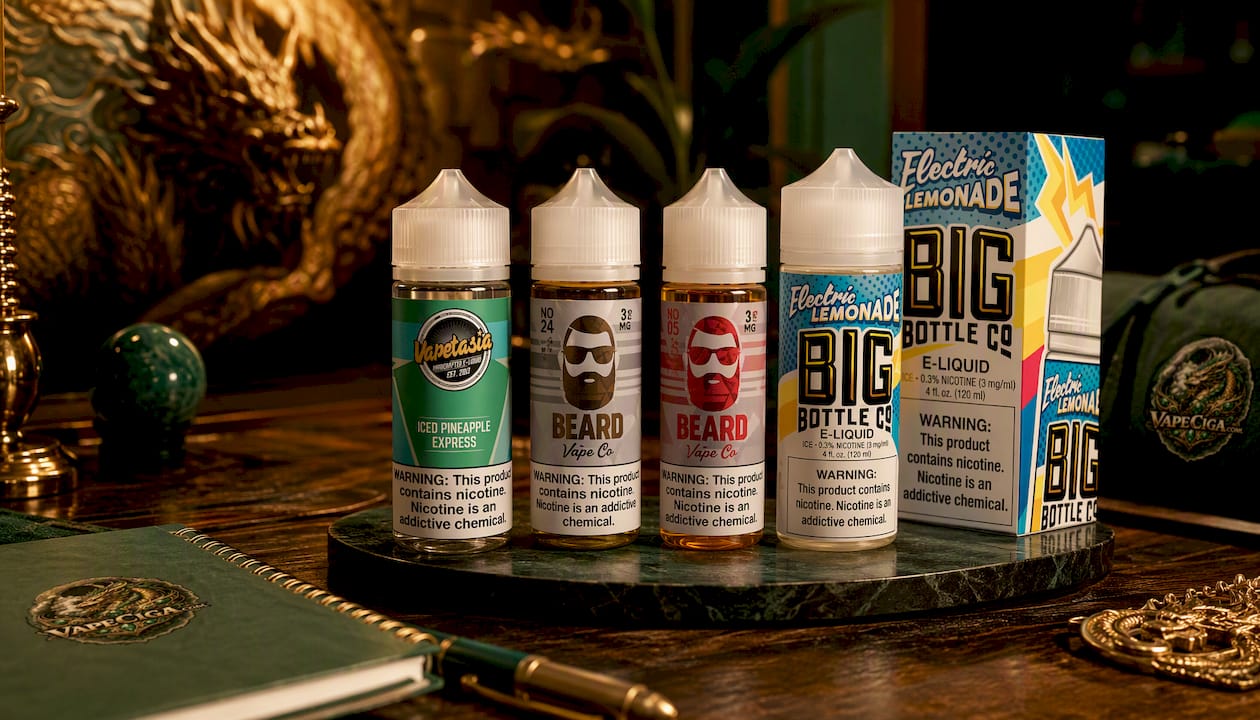
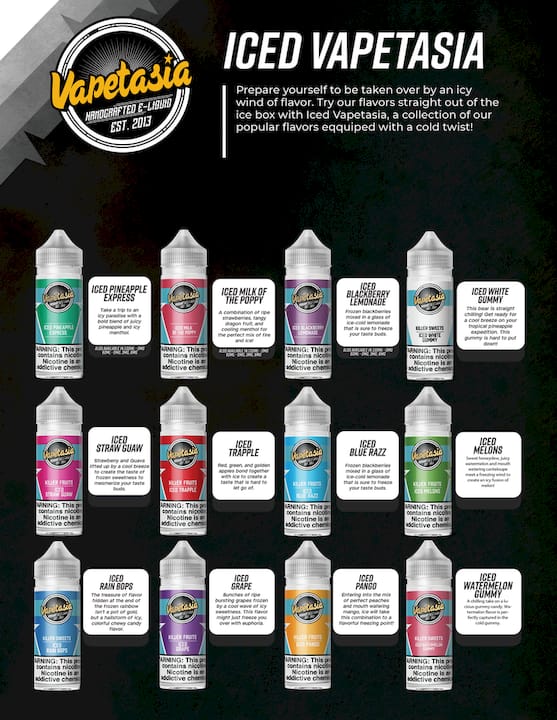
Vapetasia E-Liquid 100ml offers rich, layered profiles that respond well to a 2–3 week steep. Beard Vape Co. E-Liquid 120ml covers a wide range of dessert and custard profiles, the exact category that benefits most from extended aging. For larger batches, Big Bottle Co. E-Liquid 120ml gives you enough volume to steep one portion and vape another fresh for a direct side-by-side comparison. All orders ship fast to adults 21 and over in the USA. Check your local laws before purchasing.
Browse the full e-liquid selection at VapeCiga and find a profile worth steeping.
Sources
- Electronic cigarettes: overview of chemical composition and exposure risks (PMC)
- Does Steeping E-Juice Make it Taste Better? — Vaping360
- How To Steep e Juice | VAPORESSO
This article is for general informational purposes only and is not a substitute for professional advice. Always verify current regulations with your local authority and consult a qualified professional for health or safety questions.